I love road trips. Whether it was as a young child in the summers traveling between the Midwest and the Northwest or todays trip where I am turning around to go home.
Why would I connect this passion with the teaching of social studies? It is my humble opinion that you cannot grasp the scope and scale of this wonderful experiment we call the United States without traveling it on the ground. Whether it is by car, motorcycle, bicycle (I think these people take it to a whole new level) bus or train. When you do this you can actually see the progress of westward expansion. The 30 miles between towns so you could water your horse, the trade routes that developed into larger towns. The rivers that fed expansion. You should see it to gain the passion to explain it.
Now I’m sure there are great teachers that have never road tripped. For the way my mind works you have to see the earth. I know Vietnam came alive for me after I visited. It helped me understand the space between Hanoi, DaNang and Ho Chi Minh City. It helped to understand just how narrow that country is and why Loas and Cambodia became so strategic.
I know it is late this summer but it’s never too late to start. Get out there and see what you are teaching!
Sometimes you find a piece of history that hits so many topics that it is remarkable not everyone knows it. Today’s Google Doodle is one of those (The NPR story is here.). Here is a man, Elijah McCoy, who is the definition of an American success story. Despite that, I didn’t know of his existence, even though I used a phrase he inspired hundreds of times. I mean most people have said that someone or some thing was the “Real McCoy) and here we had no idea what it was about.
The story of Elijah McCoy is one that should inspire us all to know that his life is possible in our country. At the same time it should shame us that our country put so many barriers in front of him. The son of escaped slaves who go to Canada to escape slavery in the US, he goes to Scotland, is educated and apprentices as an engineer. He comes back to the states but can’t find employment, because of his race.
McCoy, an engineer, sees a problem and a solution. Trains, then operated by steam engines, have to be stopped in order to oil the engines. He comes up with an invention so good that people want his, and not the knockoffs that appear on the market. From this desire for the authentic oiler we find the phrase “the Real McCoy.”
McCoy held 60 patents, including an ironing table, a lawn sprinkler and many others. From slavery to prosperity in two generations. It is what is the best possibility of our country. Now if we could only make it easier for all and eliminate race as an issue.
I lived in Astoria for a long time. Two and a half decades. I have a lot of history there. I have been in Madras for far less time. This week held a decision point for me. The Mighty Lady Buffalos were seeded in the state playoffs against the Lady Fishermen from Astoria. Who would I root for? Where did my allegiances lie? Am I a turncoat? I mean both my sons graduated from Astoria High School. The assistant coach of the Girls Fighting Fishermen team was a classmate of my oldest son. How could I root for another school.
Let’s also get this clear. I know less that most people about basketball. I learned a little when my stepdaughter played a few years ago but, in reality I am not a fan, will never be a fan, and probably will never go watch basketball for fun. Here is the thing though, none of that matters.
You see I have a relationship with a bunch of the girls on that Lady Buffalos team. I know them. Some of them I have had in class daily for two years now. There really was no emotional turmoil in who I would root for. Apparently they have my heart now. Watching the heart those girls played with, it doesn’t matter what I think about basketball. Those girls made me want to watch my students when they play with heart. Even better, they were good.
Congratulations to the Lady Buffalos. Better luck next year to the Lady Fishermen. Your time will come, there is no doubt you are a gritty, well coached team. You are going to be great soon. To the Astoria peeps I saw at the game, it was good to see you. There are many things I don’t miss about Astoria. The people have never been one of those.
It has been too long since I posted. Life has kept me busy. Teaching has been amazing. I have enjoyed building new relationships with staff and with students. It is not without stress, there has been some growing pains getting into the groove of prepping, teaching, and grading. But now that I am hitting my stride it feels good.
I love my kids, even the ones that drive me a little crazy. Yes, they struggle, no different that I do. Yes, they act up in class every once in a while but most of them really do enjoy being there and I love that.
Here is to a great second half of the year improving myself, my students and my community!
I came up with the title for this post and went looking for the featured photo. Funny, that photo helped to inform my post, you will see how I am sure.
I started wanting to post that this is not a drill, this is it, the real deal. You see I got hired to teach social studies. I am no longer a substitute, long or short term. I am no longer a teacher candidate, I am a teacher. I will have 6 classes, 4 US History, 1 Global Studies (geography physical and cultural) and 1 AVID class. I get to do the planning, the delivery, the adjustments, all of it. It isn’t theory anymore, there are not reduced expectations, it is game time.
I have my class set up, I have my school website set up, I have my plans begun, I AM READY. I cannot wait. Then I saw that picture and I realized what might be an Achilles heel for me. I need to recognize when I have the wrong tool. I need to know when the problem I am looking at needs a drill not a hammer, a wrench, not a drill and adjust, midstream, that requires me to be self aware. I suppose the fact I am writing this says I am halfway there. Aware.
Here is my challenge to all of you. Be ready, be aware, and stock your tool boxes. You are ready to do great things. You’ve got this.
Beginnings are so important. I sit here, at the beginning of a new school year trying to decide who to introduce to my students. I mean, I am not a one dimensional being. This is such a change from my previous career. In policing there are very few circumstances where you want people to know a lot about you. In many cases as a detective, the things you share may not even be true, you may develop personas to develop rapport with suspects quickly so that they will confess to things thinking you are sympathetic.
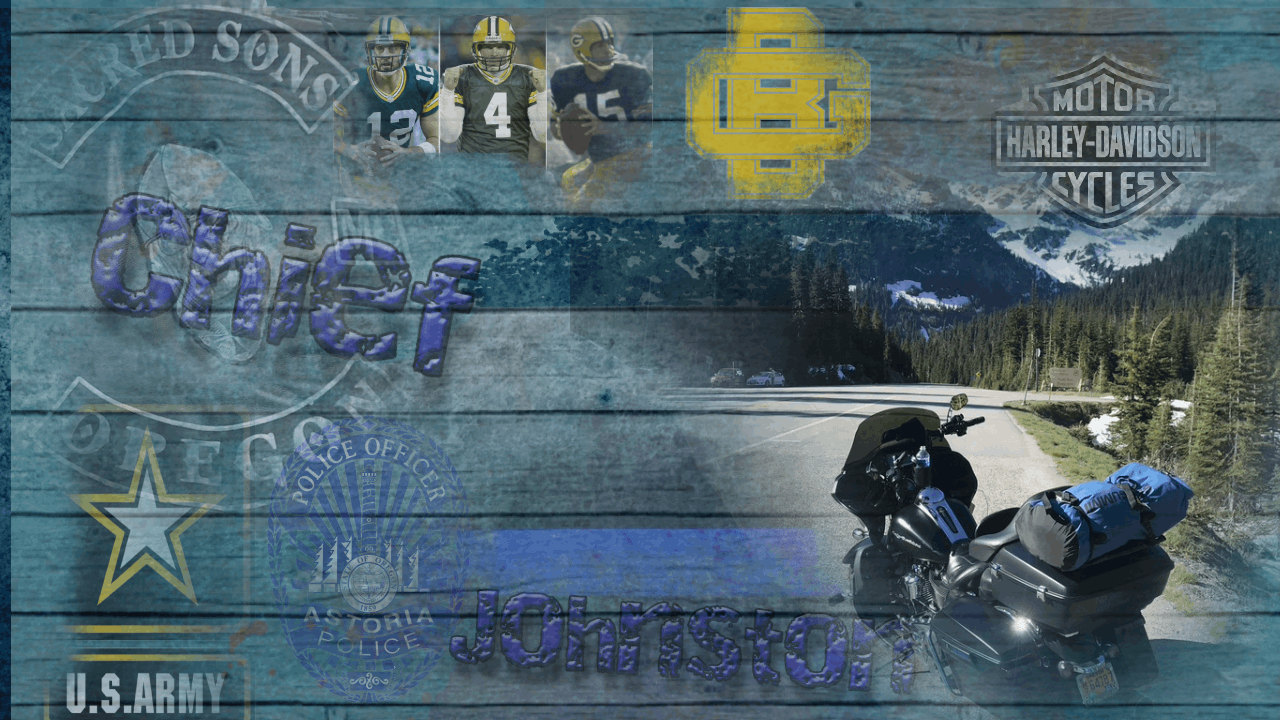
The art of the relationship requires honesty, I am no longer worried that someone will learn too much about me and show up at my home. Now, it seems the question is what part of your personality do you prioritize. I mean, in a super quick brainstorm of who I am, there is teacher, retired police chief, US Army veteran, biker, student, father, stepfather, husband, son. The list goes on and on.
Now the question is, which foot do I put forward, which one helps build the most trust and deepest relationships. The reality is it is going to be different with each student and every staff member. Why? Because they aren’t one dimensional people either.
I guess that brings us to the point, be you, all of you and let your relationships determine which face you put forward with each person. Don’t get me wrong, this isn’t about being fake. This is about relating with different people differently. For instance, with the 4-6 staff members who ride, we talk bikes a lot. With the half a dozen veterans, we talk about military experiences and their correlates (or lack thereof) in the civilian world. It isn’t being fake, its leading with points of commonality. It works with staff, it will work with students too.
I have been gone from the Astoria Police Department for several years now. However, I still feel them as part of my family. After all, I spent almost half of my life working there. The people I worked with were with very few exceptions, even when we didn’t agree, the best.
This week a tragedy happened there. A 26 year old police officer finished his shift, went home, and didn’t wake up. He shared a lot with my son, just a little younger, also a second generation police officer serving in a community near where his father did, where he grew up. I cannot imagine the pain his father is feeling. Losing a child has to be a special level of pain.
Officer Sam Whisler lived a life of service, first serving in Search and Rescue, then as a cadet, a reserve police officer, and ultimately as an Astoria Police Department police officer. I did not have the pleasure of meeting Sam. He wasn’t old enough for to be hired when I was Chief. He is survived by a wife, two children and his parents.
The entire department faced it’s mortality this week. That is hard. Many of these men and women have faced their mortality before, but not from natural causes. They have faced the fact that someone may choose to try and take their life from them and still chose to pick up their badge and pin it on, day in day out. To realize that their body may just fail, is a different type of mortality threat.
That, I suppose, brings us to the point. Nothing is guaranteed, not to anyone. We have to live as if there is no tomorrow because in truth, there may not be one. Live today.
To the men and women serving at Astoria PD today, remember him, celebrate him, and take care of his family. Today seems dark but tomorrow will be brighter. Keep your eyes facing forward and force a positive attitude, even when you don’t feel positive.
“I was standing on a corner in Winslow Arizona, such a fine sight to see. It’s a girl my lord in a flatbed Ford slowing down to take a look at me.”
Glenn Frey – Take it Easy
It’s funny, sometimes, disparate things come together and complete a thought. I have always been intrigued by the interstate system. The last few days I have gotten to drive a bunch of it, including the Dwight D. Eisenhower Highway (I-80 out of Winnemucca NV if you are interested). Ike was the inspiration for the interstate system as part of a military deployment. This followed my participating in a group effort to compile a year long social studies unit plan.
Then I got to ride some of the “mother road” Route 66. I saw a lot of towns that had died and dreams that were crushed by the development of the interstate that bypassed so many of their towns. People opened businesses, invested dollars, passed down businesses from generation to generation. The did it expecting things to go in accordance with their plans. I wondered, how many people made these plans not knowing about the plans of the federal government that would roll right over the top of them. At the time the interstate was a new invention, something never before seen and the impacts I am sure were unforeseen.
Then I went to Winslow AZ. Just another Route 66 town. Full of hotels, gas stations and tourist attractions. Built for the constant attention of the motorist traveling from LA to Chicago. Certainly in its death throes when in 1974 Jackson Browne and Glenn Frey wrote the phrase “standing on a corner in Winslow Arizona, such a fine sight to see.” The rest as they say is history, one of the most iconic lines in music history was born and the City of Winslow saw their moment to pivot. On a random Tuesday in July, with the temperature at 115 people were making their way to Winslow, simply to stand on the corner.
You see Winslow, like we must as teachers, pivoted. They created a new attraction and brought new money and people. When our plans are overcome by events we have to look around the corner, pay attention to what is going on in our world, and find way to make connections to our students. We have to pivot to where we can make an impact and take advantage of what is present instead of hoping for something else.
“The test of a first-rate intelligence is the ability to hold two opposing ideas in mind at the same time and still retainthe ability to function.” F. Scott Fitzgerald
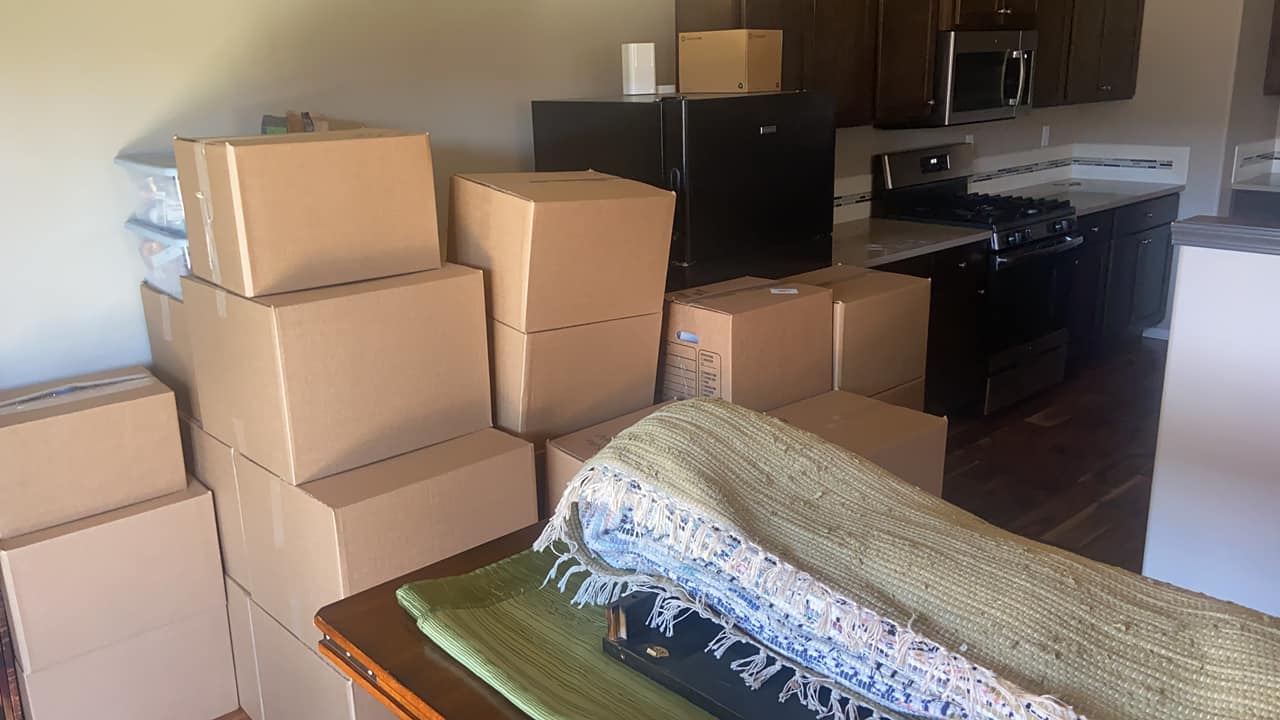
We moved out of our house Sunday. Completely out, there were a handful of things we needed to go back and get on Monday, including my boots. Since I was going on a motorcycle ride I went in there early monday morning to get my boots. It was quiet, empty, and a little depressing. It’s kind of funny. We moved into this house 27 months ago, that was the last time I saw it this empty. The colors were the same, the finishes the same, there was nothing substantive that was different. Yet it was all different. When I saw it empty 27 months ago I saw possibility, hope, opportunity. Now, at the end of that chapter as I begin something else, it was only memory. I didn’t have any regret, we didn’t miss any opportunities, it was just the other end of a chapter. The perspective mattered. Viewed from one end, full of hope, viewed from the other, a completion.
I knew this thought was important and wrote, then deleted, then wrote and deleted again because I couldn’t tie it together. Then, as we were traveling yesterday my wife pointed out to the rest of us a hill side that looked like a sharks mouth, and it really did. But only if you viewed it during the few moments where the perspective was right. Otherwise it was just another hill.
It seems to me that history is this way. Perspective matters. Do we examine history with an era correct lens or a lens of current sensibilities? I think our job as teachers is probably to help with the viewing from multiple perspectives.
We also have that issue when teaching. Sometimes the perspective that made things click for us will never make things click for others. Helping them find a perspective that engages them is part of our job. Knowing how to show the different perspectives to get engagement is part of the art in teaching
In this media-drenched, multitasking, always-on age, many of us have forgotten how to unplug and immerse ourselves completely in the moment. We have forgotten how to slow down. Not surprisingly, this fast-forward culture is taking a toll on everything from our diet and health to our work and the environment.
Carl Honore
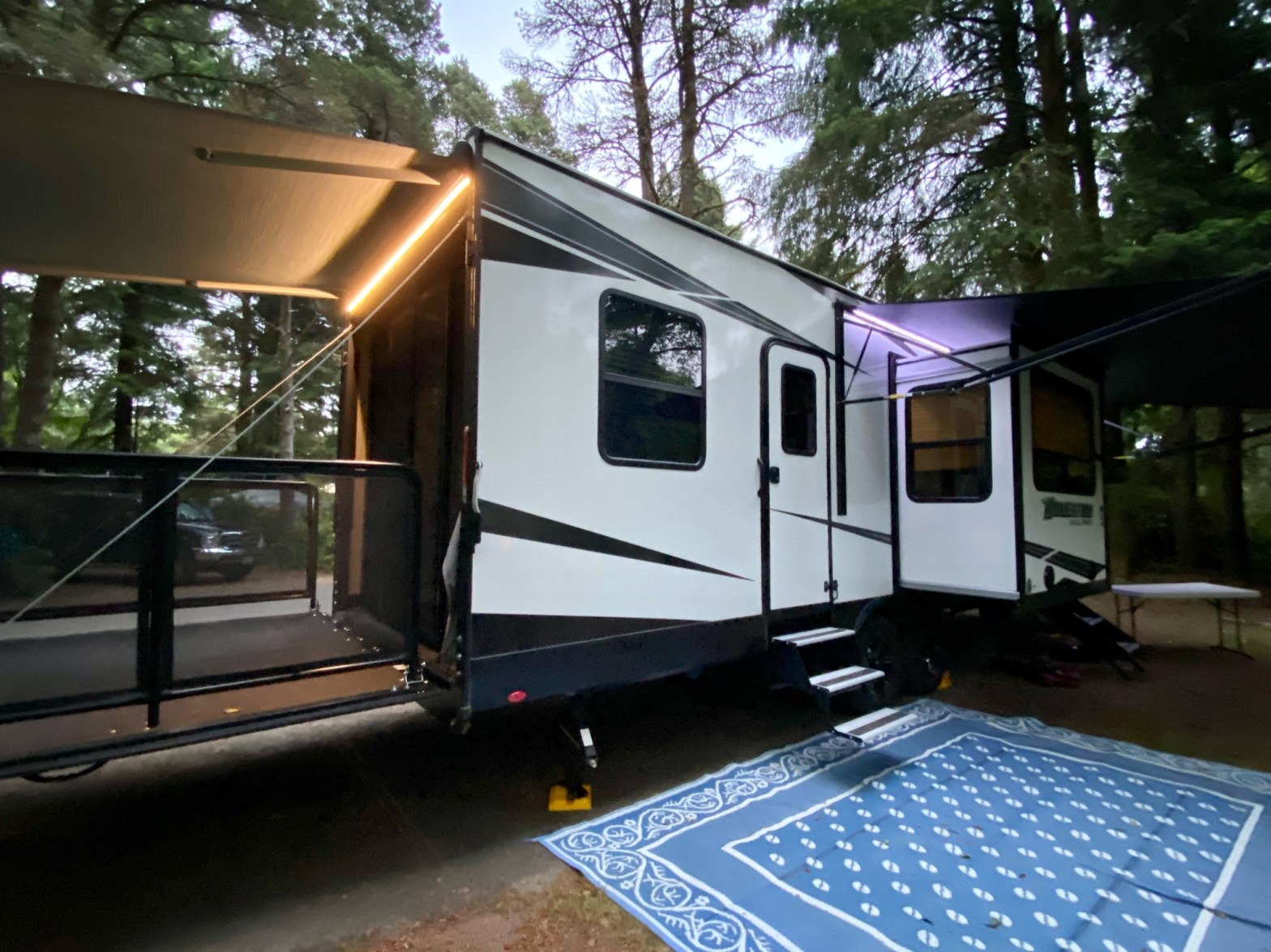
What a wonderful Father’s Day Weekend. A long planned weekend came together with some unexpected lessons. We took our inaugural trip with what will be our new home, the Grand Design Momentum 29G toy hauler. That story can be seen at www.advinlife.com. We left Central Oregon and returned to my home of two and a half decades, the North Coast of Oregon. Specifically we were at Ft. Stevens State Park.
Here was the surprise, our phones didn’t work. We could make phone calls but texting was unreliable and data was nonexistent. Nothing better could have happened. The trip was to reconnect with friends and to spend time with my sons. COVID has kept us largely apart for the last year. This weekend we were able to spend hours together and coworkers and friends stopped by to say hi as well. The beautiful thing was, after the first few hours (where in disbelief we were all checking our phones) no one was looking at their phones. No one was looking at social media, shopping, posting about the experience, Instead they were present in the moment.
Here is the thing, in our society, there are very few group discussions remaining. When two people are talking additional people check out and check their mobile devices. Our relationships are poorer because of it. We don’t get the richness of the non sequitur, the third, (even fourth) perspective or the heckle of true friends and family. We didn’t do anything but visit all weekend and the visit was richer as a result.
Get disconnected, get together with friends while you do it. Maybe set rules when you get together if you aren’t at a rural campground. Call people out on their incessant cell phone checking. Disconnect, so that you can reconnect. You won’t be disappointed.
Every Sunday morning I watch the news magazine CBS Sunday Morning. It is part of my routine. I have been critical of the show for the last several years because they largely skip over National Police Week while seldom missing a chance to talk about police in a negative lite. Scratch all that criticism. Today the entire episode was spent on the topic of policing. While they took some easy outs and missed some big points they did a nice fair job of looking at policing.
Most importantly, they caught the nuance. The differences between large city policing and small town policing. They also caught that dehumanizing police officers cripples the discussion and doesn’t move anything forward.
The desire to look to other cultures for examples of policing is understandable. There are some countries that have great models. CBS looked to Japan and Great Britain. What they ignore though is that the countries that tend to have strong policing do so with a highly nationalized policing model. The local police are really nothing but a precinct in the national system. Our founders set up a weak federal system on purpose. This functional difference is critical in looking at the number of police officers per capita. There is also the issue of drug usage and personal rights. The Japan has a drug abuse rate that is nearly non existent. This is just one small societal difference that creates huge differences for our deployment of police and our crime rates. Add in the difference in societal attitudes toward choice and mental illness and you end up nearly incomparable society. That said, there are significant lessons to be learned and Japan is one of those places to look.
Seeing the national media dive this deep into policing gives me a little hope. I wish they would have looked at evidence based practices or some very progressive departments that are doing good work out there. But they did include commentary from a survivor. Someone whose father was taken from him by a criminal, who gave all for his community. A perspective we should never ignore, who helps us remember the human toll to families of officers.
On Fridays, in my classes that are current on their work, we play Jeopardy. Today, we had a category called US Presidential History and another that thas City/State nicknames. During the play, songs that students had memorized in 5th Grade (This was a 10th Grade class) came up and we watched some of them after the game was over. It was amazing how engaged these kids were with these videos. It was also amazing how well they had retained the information. They could sing along with the presidential rap song like they had just learned it.
I don’t know why I am so surprised by this. In vacation bible school this is how I learned the books of the bible, singing them to the Davy Crockett song. more than 4 decades later I remember the first stanza as if it was yesterday. It gets me all the way to Ruth. Experience takes care of the rest.
Kudos to the 5th Grade teacher from Metolius Elementry for engaging your students in a way that stuck with them. It’s what we all strive for. Making a difference long term. The joy these students had remembering their learning experience was fantastic to see.
May we all involved in students lives create that moment for them. Let us all keep that in mind as our goal.
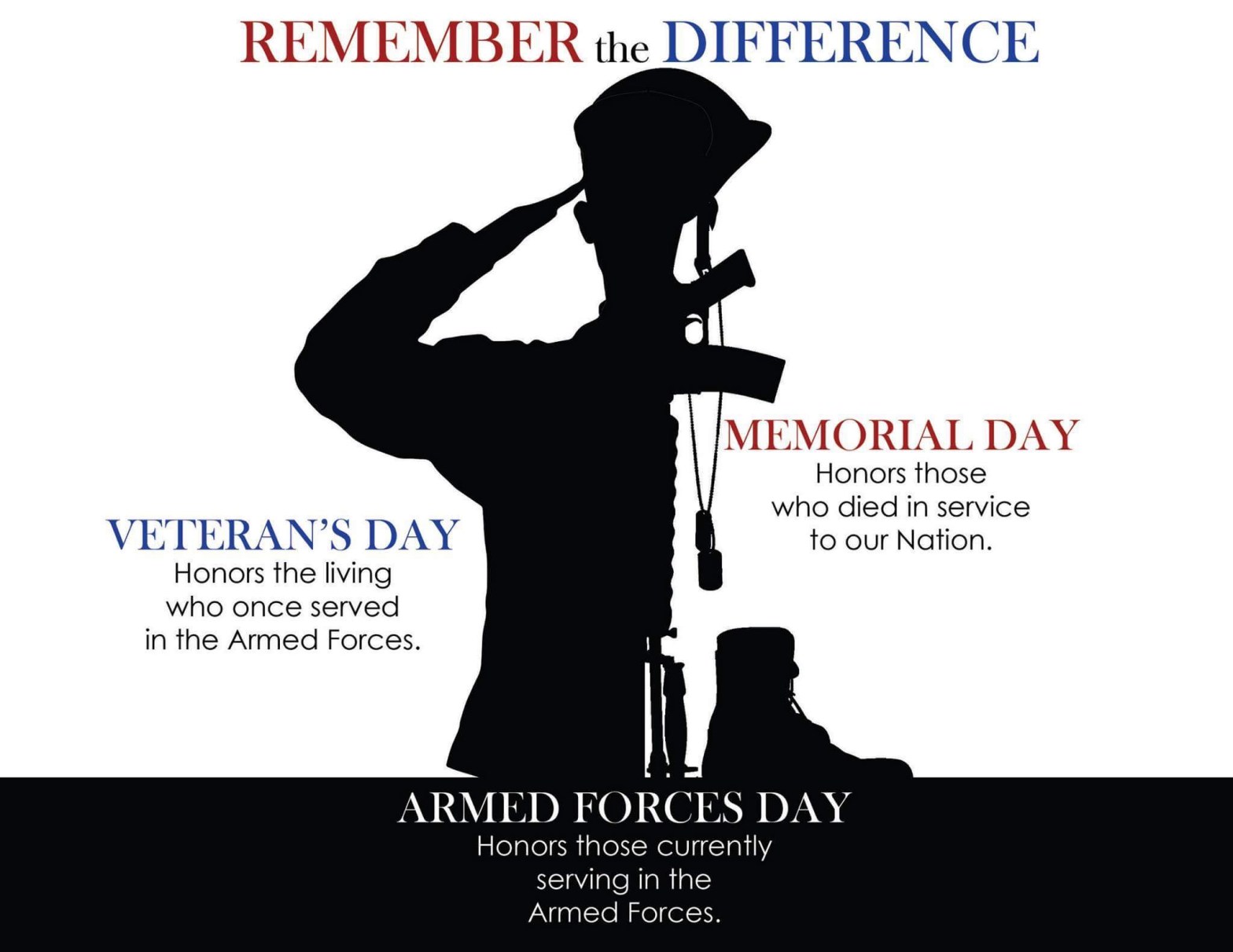
Memorial Day, a day to remember our fallen. What has happened to America that none of our holidays have their intended purpose anymore? Memorial Day, Labor Day, 4th of July, nothing but an excuse to BBQ or travel. Presidents Day, MLK, and Veterans Day just a paid day off or time off from school.
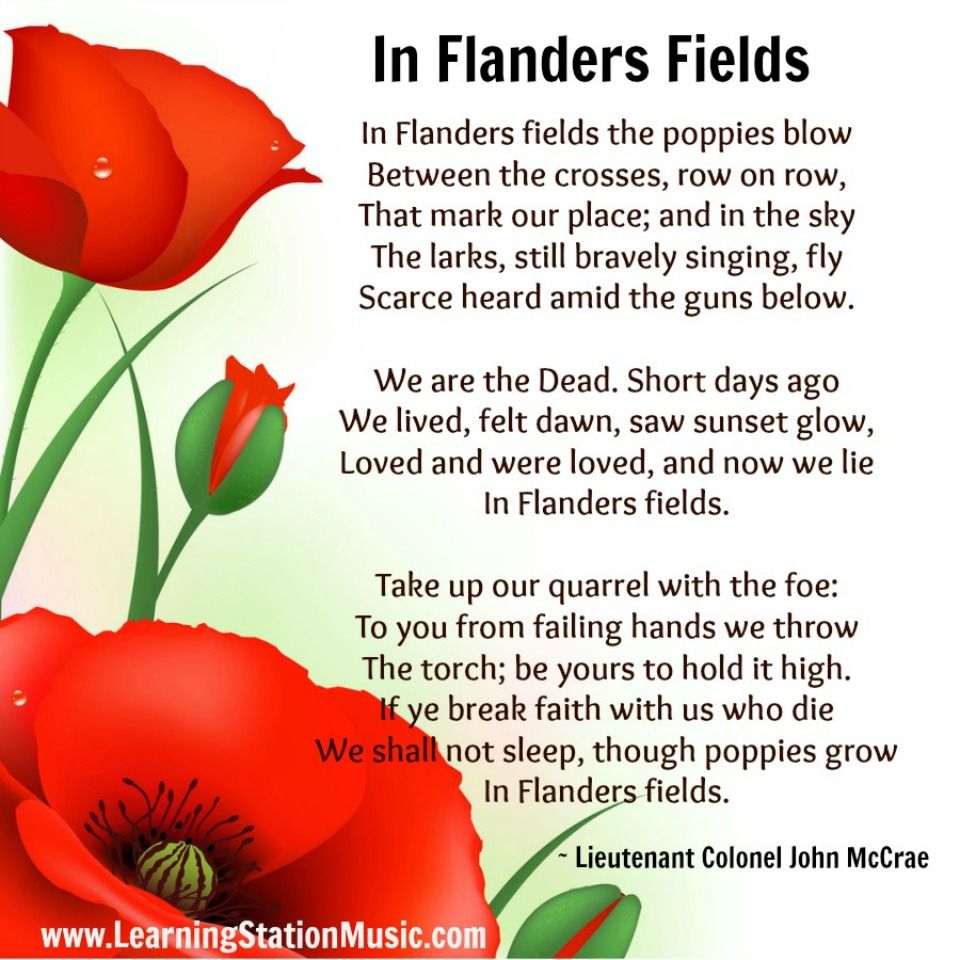
I suppose the career I am trying to start bears some blame. But the government isn’t helping us with diluting existing holidays. We eliminated presidential birthdays and went to a very generic Presidents day. I mean when I was in grade school we spent days on Lincoln (In fairness I was living in Illinois) and Washington around their birthday. We learned about the poppies and why they signified the struggles our fallen faced. I people if they know why the VFW and Legion pass out poppies and am surprised how few adults know the answer to that question.
We owe it to our students to take the time to honor those our holidays honor. Spend a week talking about MLK around MLK day, It should be pretty easy for social studies and ELA teachers to work that into lessons. He was a pretty prolific writer and pivotal figure that can launch many different discussions. Spend some time talking about the fallen on Memorial Day, I mean the literature that has been generated by those who remember is huge and can be found in every culture. Take some time to honor those who served in November. They wrote the biggest check any citizen can write to their society.
Lets make our students curious. Let’s make them explore these holidays so they can never think of them as anything but meaningful.
The local media ran a story today about legislators and the local DA endorsing police reform. Now, you may think, given my background that I am against police reform. On the contrary. I believe that there is reform needed. I somehow doubt though that the same reform is needed in Astoria, Madras, Bend, Portland, and Salem. You see, policing is local. Painting Oregon police officers with a brush that is dipped in the preconceptions based on the actions of a Minneapolis, Detroit, or NYC police officer is wrong.
Oregon has been implementing best practices based on evidence for a long time. For almost a decade every supervisor promoted in Oregon has had to attend training in evidence based policing, police legitimacy and procedural justice. The Center for Policing Excellence has worked to implement best practices from education, social sciences, and policing. Supervisors are required to go home and implement an evidence based policing project in their jurisdiction ensuring practice is set along with the knowledge. There is good knowledge out there on what works and it is not just anecdotal information but based on the work of social scientists that have implemented the scientific method to help reduce unintended consequences.
Randomly pulling tools out of the police officers tool box because it feels good, will result in unintended consequences. That we look primarily to witnesses that feel policing needs change instead of those who have actually studied it is a shame. Few people are calling on the society for evidence based policing. Instead we are looking solely to community groups impacted by policing. This is not how good policy gets built. This is how policy that gets repealed gets implemented. Let’s get the social scientists in the room when we start talking policy.
Today I worked on a project demonstrating how to do a wonderday assignment. Take the thing you wonder about, research and share the project. In my case I wondered what effect the music of the time had on the protest culture of the day. I asked the question, reflected on my owh thoughts, did some light research reviewing other people’s thoughts on the matter and found my answer. The answer follows.
Wonder day
“Musicians want to be the loud voice for so many quiet hearts.”
Billy Joel
How did music effect the protest culture of the 1960s?
I recently bought a new album by Keb’ Mo’ titled Peace, Back by Popular Demand. It is a fantastic blues inspired remix of classic protest songs.
It got me wondering how music affected the protest culture of the 1960s. I mean with civil rights and the Vietnam war hand in hand it had to be significant, right?
I used that Billy Joel quote recently and thought about how many times I have felt alone and as if I were the only person that felt a particular way. Then I hear an artist singing what I was thinking about. It changes the way you are thinking, it creates a boldness, makes you realize that it isn’t just you. Sometimes it brings something to life for you. A thought you hadn’t had that grows like a seed sprouting.
Anne Braden by the Flobots was that way for me. It brought to life the cultural shift that was going on related to race in the 1960s. It used a Sunday school song to make it’s point. It couldn’t have hit home clearer. It made it clear that for white youth in the 1960s this was not a clear issue, that racism was part of their culture and breaking out of it was hard. She always knew there was something wrong.
What a time to be alive the 60s must’ve been. TV was changing the way people learned things. Instant reporting from across the world and our moon. Images along with sounds brought into living rooms. People were experiencing things they never had first hand views of before. \
Journalism had transitioned from selling the government line to being very sceptical of government policy. Just comparing the cover of a WWII Saturday Evening Post with a Vietnam era Time magazine shows the difference.
But music influencing protests wasn’t invented in the 60s. No, the reality is that the song we all know as Yankee Doodle Dandy was a revolutionary war protest song. The fields were full of black slaves singing because singing was what they had. It was the only way they could communicate freely.
The late 1800s saw John Brown’s Song (later John Brown’s Body) was used to protest the ongoing state of slavery. Later, Songs like Strange Fruit and Mississippi Goddam became blatant retorts to obvious racism that still continued post civil war.
Until 1971 the legal voting age was 21 years old. The largest consumer group of popular music had no voice in changing things. They were being compelled to serve with no input on policy through elections.
The music of the protest joined people together. It focused thoughts after the Selma bridge and Kent State. It brought a common understanding to bear. It gave quick quips to complicated issues.
The music of protest continues. Although it is not always without consequence. While Greenday’s protest of post 911 policies in American Idiot led to success and even a broadway play, the Dixie Chicks were led to near ruin when they left the music behind and put their protest into words.
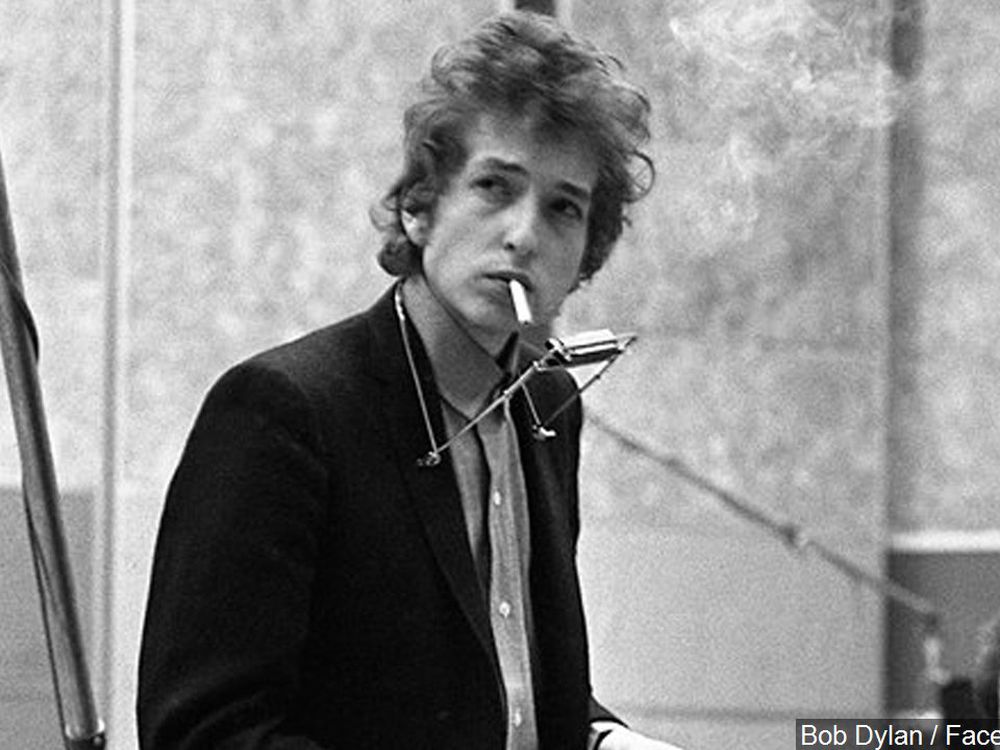
The final words are those of Bob Dylan. The times, they are a changing.
“Journalism is printing what others don’t want printed. Everything else is public relations.”
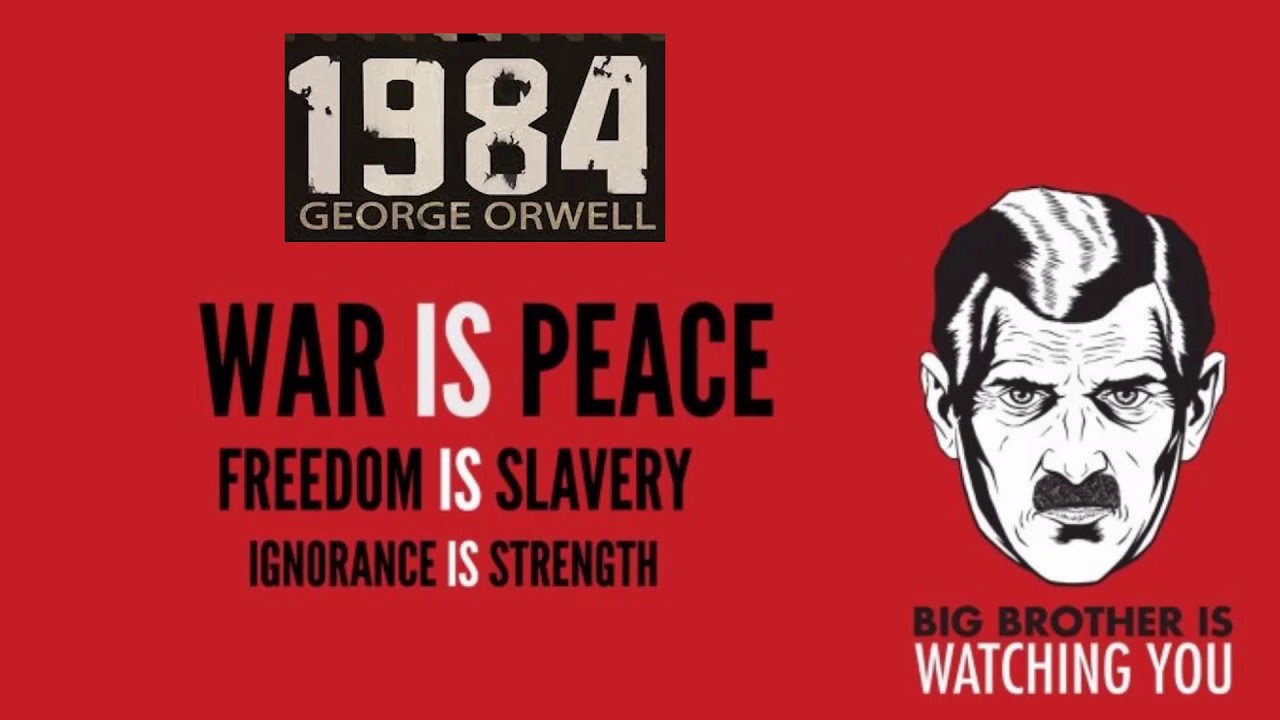
George Orwell
Just in the headline I have already set up the straw man that appears to be so prevalent in thinking about student journalism. Yet in reality, nothing is either this or that. That is what students learn in the process of covering issues. When we teach students to think critically we create citizens that can be involved in a meaningful way in this wonderful experiment we call democracy. They can’t look at things simply, not if they want to concisely reflect facts. Conciseness requires a deep understanding as to what is relevant and what is extraneous.
Students all engage in journalism, they do it through projects, microblogs, blogs, and other social media. They do it by phone, by text, by email, and more widely on the internet. They do it with no training and no editorial guidance. They don’t know the impact of their words, nor do they know the importance of choice of words.
Having spent a couple decades supervising professional writers I know how important the approval and edit cycle is. This is what is missing now. Someone to ensure facts are checked and that the focus is correct is critical. Not everything is worth journalistic focus. COVID protocols are probably not worth an exposee unless not being enforced equally. School lunches probably deserve a look but the focus should be on why COVID has affected quality instead of culinary reviews.
Student journalism is many things, it is not, nor can it ever be lazy though. Work ethic, team work, deadline driven work, preparing multimedia presentation, critical thinking and so many other things are all learned in the process of working on journalism. There is nothing learned that will not improve the skills as a citizen. Student journalism meets the goals of everyone in developing our students. It belongs in ELA, Social Studies and CTE curriculum. Most importantly, it belongs in our student’s lives.
Teaching from home with my laptop this fall was a joke. The small screen and only being able to see one tab at a time was horrible. My 13″ macbook was never going to cut it. I tried using airplay to cast the screen on the big screen but you couldn’t put the meet up there because it caused lag and you couldn’t read the text at that resolution from across the room.
I was super frustrated until I learned about portable monitors. This was a game changer. Portable monitors are a lightweight monitor that uses a single connection for power and video transmission. They are designed to be completely portable. Some attach to the laptop via magnets, some are designed to be used freestanding.
The monitor I purchased and reference above is the Duex Pro monitor with kickstand combo. The kickstand is a small plastic piece which allows you to set the monitor up seperate from the laptop and provides a “kickstand” to prop it with. It is worth the couple extra dollars to extend the versatility of the device. It connects via magnet to the screen back and connects with one single USB cord. My older Macbook Pro does not have USB C so it works with a USB A to USB C cord. Is it seamless? No. There is an infrequent flicker where it goes black for a second and then comes back. Maybe once every hour or two. Definitely something I can live with.
The monitor can be set up as pictured above as a second display that is a desktop extension or, if you are working across a table from someone you can fold it back to back with the monitor and mirror your display so you are both seeing the same thing. It requires a driver to be installed so if you are working on a managed system you may need to get approval to add the displaylink driver. Be careful what system you purchase if you are a Mac user. There is a popular brand that indicates it is Mac compatible but the reviews do not indicate users agree with the manufacturers claims.
Who knew that this was the day in history where a man known as Lawrence of Arabia died in obscurity. To my generation, he was a hero of our parents matinees. He was probably already slipping into obscurity. It’s a bit crazy when you think of it and reminds us all how fragile our fame and popularity are.
Arabia had a major influence on British policy in Arabia in the early 1900s and aided in the liberation of Arabia from Turkish rule. He wrote several books, an autobiographical story of his exploits, an english translation of The Iliad, and other books under pseudonyms. He died ever the adventurer, of injuries sustained in a motorcycle crash, under an assumed name, with no fanfare.
I am always interested in the this day in history. Today in history also saw: NYC’s Chinatown shut down in protest of police brutality (1975), EgyptAir flight 804 disappears over the Mediterranean Sea (2016), Anne Boleyn, second wife of King Henry VIII, is executed (1536), Spanish Armada sets sail to secure English Channel (1588), President Lincoln proposes equal treatment of soldiers’ dependents (1864), and a Young Texan girl kidnapped during Native American raid (1836). From that list I think the most striking is the year that President Lincoln proposed equal treatment of soldier’s dependents, 1864. It would be a hundred years before there was substantial civil rights legislation for all persons instead of just soldiers dependents.
Started by President Kennedy, today is Police Officer Memorial Day. A day specifically set aside to remember all of the fallen.
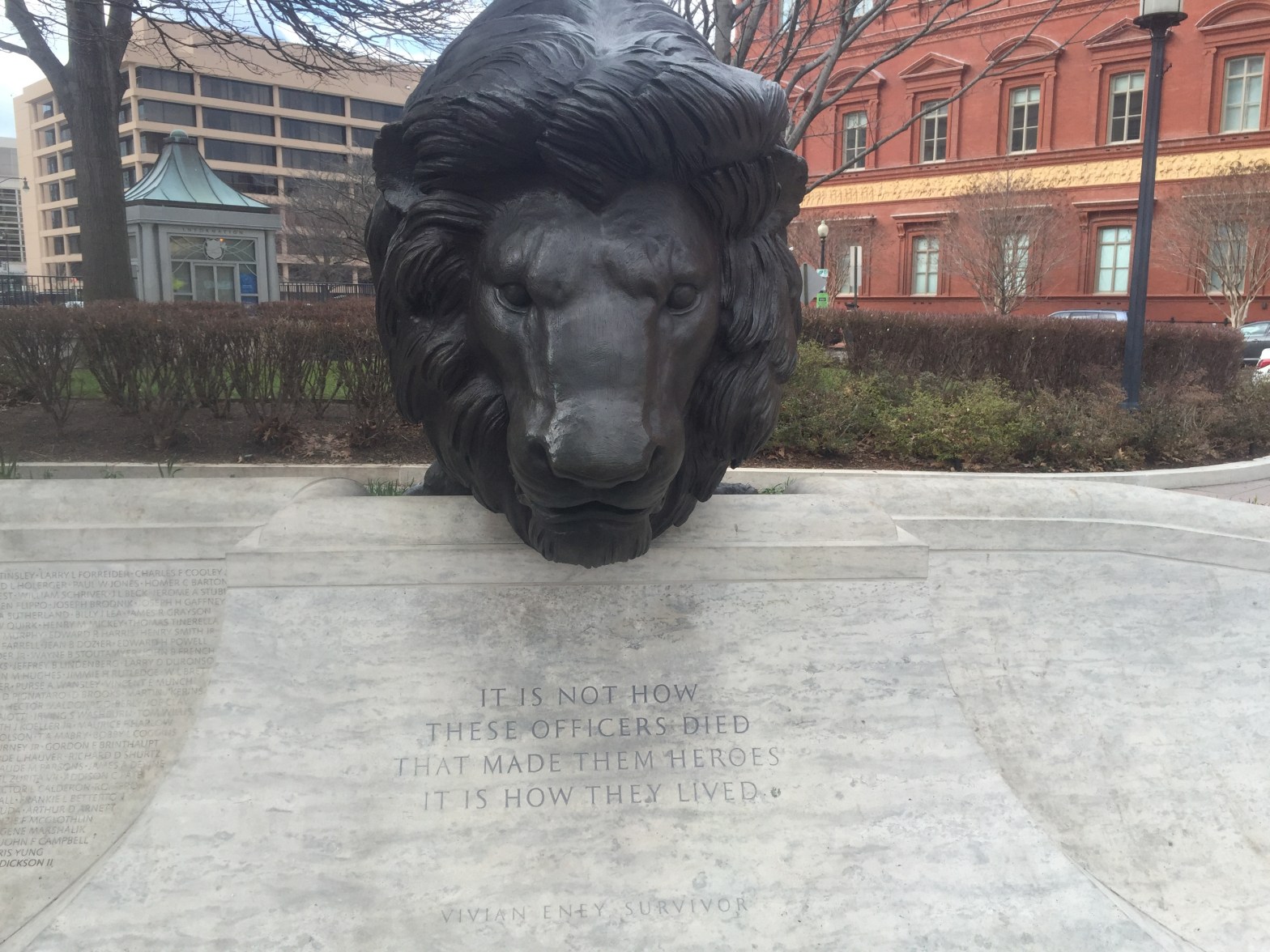
I remember the shocking experience of visiting the National Law EnforcementMemorial in DC. I’d thought of a few recent names I wanted to find but when I went to the Oregon pages in the index it hit me how many people who I’d had some in contact with who had died serving their community.
These were fathers, sons, coaches, church members, veterans, and peace corps members. They had served their community and paid the ultimate price.
George HW Bush said, “it’s not how these men died that made them hero’s but how they loved their lives. “ there are no truer words.
It’s hard these days to see police officers as a whole demonized. I’ve had so many conversations with educated people who say it’s ok to treat police officers as sub human because they chose the job and are part of the problem.
One of the real problems is that a police officer is equally person and government when they act. This makes for a very complex set of facts when it comes to evaluating responses. They have responsibilities and authority no other individual does. They have experienced others can’t envision They suffer traumas that counselors can’t stand to hear.
We’ve got to stop dehumanizing people. no matter if it’s because of their profession, their heritage, their identity or their faith. It’s no way to solve anything.
Right now I am teaching technology. That isn’t stopping me from teaching social studies though. Every day starts the same in my class. First a quote. Then an opener based on the National Day calendar. The quotes generally come from historical figures. Sometimes focused around Black History Month or similar events but almost always about a life lesson I believe is important.
It has been interesting. I always start with, do you know… and ask if they know who the source of a quote is. Sadly, yesterday’s quote was from Thomas Jefferson, “Do you want to know who you are? Don’t ask. Act! Action will delineate and define you.” When asked if they knew who Thomas Jefferson was one class did not. I got guesses about whether he was an actor or author but no president, no principal author of the declaration of independence, no historical cues at all. That tells me this is important work.
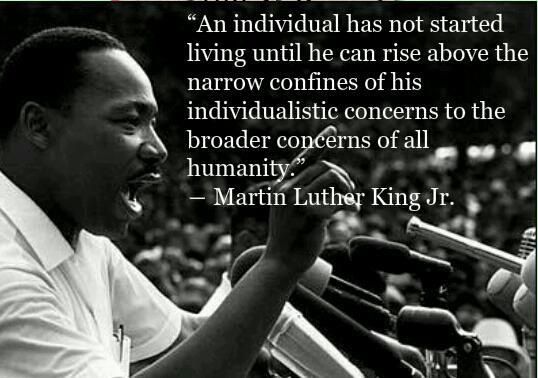
I have introduced the kids to things they would not have otherwise been exposed to. Some of the more difficult views of Martin Luther King Jr. The historical figures of Booker T. Washington, Frederick Douglass, Gandhi, Nelson Mandela, Mother Teresa. The guiding principles of people like George Washington Carver. Every quote comes with perspective of who the person was which makes most quotes more meaningful.
It is wonderful because the kids love them and when I have, on rare occasion, been busy in the morning and forgot to grab a quote, my first period class will not let me go on till we find one together. Today was one of those days, I was busy making videos for students that have missed class due to sports or quarantine and forgot to get a quote in my daily plan slides. First period came up with the quote. “Sometimes you will never know the value of a moment, until it is a memory.” It was the quote I needed to hear today. This week’s memories are always difficult. It is the week of my mother’s birthday. The anniversary of her death, mother’s day and the anniversary of a beloved dog’s (Thor) death. The facebook memories this week are hard. However, when I heard today’s quote. It made me marvel at the picture that had popped up earlier in the week. That serendipitous moment on the beach with my mother where she noticed the first (of now many) tattoos that I had gotten. That moment, that I did not realize the significance of that is now a fond memory.
It seems maybe, the students may be helping the teacher too.









 The Embed Educator