Today I worked on a project demonstrating how to do a wonderday assignment. Take the thing you wonder about, research and share the project. In my case I wondered what effect the music of the time had on the protest culture of the day. I asked the question, reflected on my owh thoughts, did some light research reviewing other people’s thoughts on the matter and found my answer. The answer follows.
Wonder day
“Musicians want to be the loud voice for so many quiet hearts.”
Billy Joel
How did music effect the protest culture of the 1960s?
I recently bought a new album by Keb’ Mo’ titled Peace, Back by Popular Demand. It is a fantastic blues inspired remix of classic protest songs.
It got me wondering how music affected the protest culture of the 1960s. I mean with civil rights and the Vietnam war hand in hand it had to be significant, right?
I used that Billy Joel quote recently and thought about how many times I have felt alone and as if I were the only person that felt a particular way. Then I hear an artist singing what I was thinking about. It changes the way you are thinking, it creates a boldness, makes you realize that it isn’t just you. Sometimes it brings something to life for you. A thought you hadn’t had that grows like a seed sprouting.
Anne Braden by the Flobots was that way for me. It brought to life the cultural shift that was going on related to race in the 1960s. It used a Sunday school song to make it’s point. It couldn’t have hit home clearer. It made it clear that for white youth in the 1960s this was not a clear issue, that racism was part of their culture and breaking out of it was hard. She always knew there was something wrong.
What a time to be alive the 60s must’ve been. TV was changing the way people learned things. Instant reporting from across the world and our moon. Images along with sounds brought into living rooms. People were experiencing things they never had first hand views of before. \
Journalism had transitioned from selling the government line to being very sceptical of government policy. Just comparing the cover of a WWII Saturday Evening Post with a Vietnam era Time magazine shows the difference.
But music influencing protests wasn’t invented in the 60s. No, the reality is that the song we all know as Yankee Doodle Dandy was a revolutionary war protest song. The fields were full of black slaves singing because singing was what they had. It was the only way they could communicate freely.
The late 1800s saw John Brown’s Song (later John Brown’s Body) was used to protest the ongoing state of slavery. Later, Songs like Strange Fruit and Mississippi Goddam became blatant retorts to obvious racism that still continued post civil war.
Until 1971 the legal voting age was 21 years old. The largest consumer group of popular music had no voice in changing things. They were being compelled to serve with no input on policy through elections.
The music of the protest joined people together. It focused thoughts after the Selma bridge and Kent State. It brought a common understanding to bear. It gave quick quips to complicated issues.
The music of protest continues. Although it is not always without consequence. While Greenday’s protest of post 911 policies in American Idiot led to success and even a broadway play, the Dixie Chicks were led to near ruin when they left the music behind and put their protest into words.
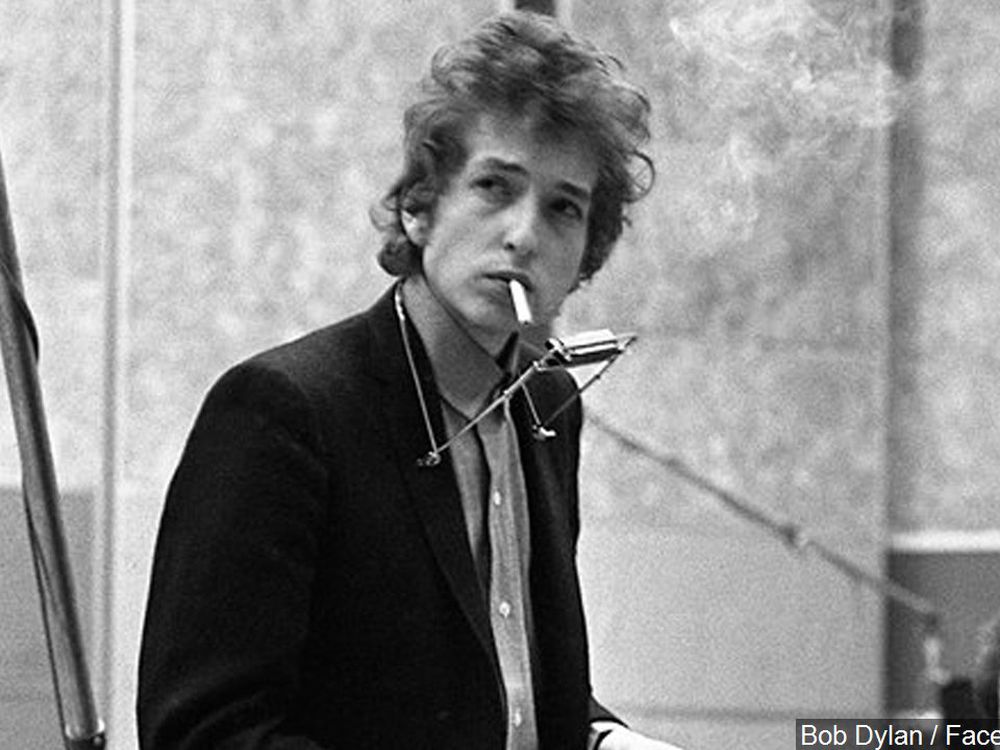
The final words are those of Bob Dylan. The times, they are a changing.
Sources
https://youtu.be/qLc5QJsMgvw Evolution of American Protest Music VOX.com
https://youtu.be/nUCGefm30XY NBCLX
https://www.udiscovermusic.com/in-depth-features/power-of-protest-songs/ Power of Protest Songs
 The Embed Educator